
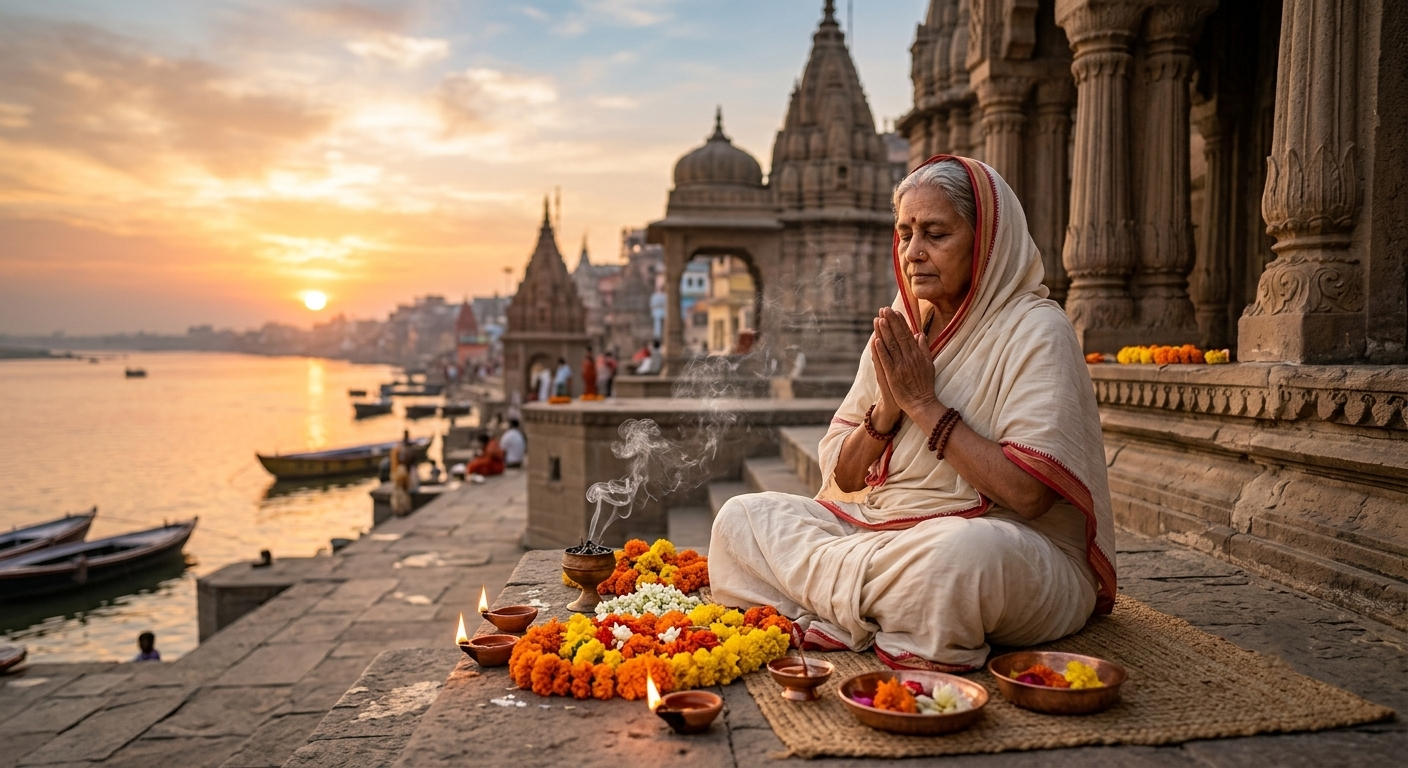
Introduction
Prayer has been an important part of Hinduism for thousands of years. Millions of people in India, the United States, Canada, the United Kingdom, and Australia practice daily prayer to seek inner peace, strength, and spiritual guidance. But what is the true power of prayer in Hinduism, and why do so many people believe it can transform their lives? In this guide, you’ll discover the meaning, benefits, and traditions of Hindu prayer while also exploring modern prayer-based spiritual programs that many people are curious about today.
What Is the Power of Prayer in Hinduism?
According to Hindu philosophy, prayer is much more than simply asking for something. It is a spiritual practice that helps individuals connect with the Divine, express gratitude, seek guidance, and develop inner peace.
Unlike many common misconceptions, Hindu prayer is not limited to temples or religious ceremonies. Many people pray at home, during meditation, before starting work, or even silently throughout the day.
Prayer can include:
- Chanting mantras
- Reciting sacred scriptures
- Offering flowers or incense
- Meditation
- Silent communication with God
- Expressing gratitude
For millions of Hindus around the world, prayer is considered an important part of daily spiritual life.
The Power of Prayer in Hinduism has inspired millions of people for centuries. Many believers consider prayer an important part of their daily spiritual journey.
Why Is the Power of Prayer in Hinduism Important?
Prayer holds a special place in Hindu traditions because it encourages both spiritual growth and personal discipline.
Rather than focusing only on material success, Hindu prayer teaches people to cultivate qualities such as:
- Compassion
- Patience
- Gratitude
- Self-control
- Forgiveness
- Inner peace
Many spiritual teachers explain that regular prayer helps calm the mind while encouraging positive thoughts and mindful living.
For this reason, daily prayer remains an important practice for people of all ages.
The Spiritual Meaning Behind Hindu Prayer
One of the unique aspects of Hinduism is that prayer is often viewed as a personal conversation with the Divine.
Different people may pray to different forms of God, including:
- Lord Shiva
- Lord Vishnu
- Goddess Lakshmi
- Goddess Durga
- Lord Ganesha
- Lord Krishna
- Lord Rama
Although traditions vary, the ultimate purpose remains similar—to strengthen faith, increase self-awareness, and deepen one’s spiritual connection.
Many believers also see prayer as a way to surrender worries, reduce fear, and develop greater trust during life’s challenges.
Does Prayer Really Have Power?
This is one of the most common questions people ask.
From a Hindu perspective, the power of prayer is not always about instantly changing external circumstances. Instead, prayer is often believed to transform the person who prays.
Many practitioners report that regular prayer helps them:
- Feel calmer during stressful situations.
- Develop emotional resilience.
- Stay focused on positive goals.
- Build hope during difficult times.
- Strengthen their relationship with God.
While individual experiences differ, many people describe prayer as an important source of comfort and inner strength.
Daily Prayer Is Still Relevant Today
Modern life is often busy and stressful.
Whether someone lives in New York, London, Toronto, Sydney, or Mumbai, finding a few quiet minutes each day for reflection has become increasingly valuable.
Many people combine traditional Hindu prayer with meditation, mindfulness, gratitude journaling, or other spiritual practices to support their overall well-being.
This growing interest has also led many people to explore modern prayer-based spiritual programs alongside traditional practices.
Traditional Prayer and Modern Spiritual Programs
Today, many people search online for spiritual tools that claim to support positive thinking, emotional healing, or daily inspiration.
Some individuals choose to combine traditional Hindu prayer with guided spiritual programs designed to encourage consistency and personal reflection.
If you’re curious about one such program, you may also enjoy reading our detailed The Masuda Prayer Review, where we explore what the program offers, how it is presented, and what people should consider before making a decision.
➡️ Continue Reading:
Benefits of the Power of Prayer in Hinduism

According to Hindu teachings, prayer is not only about asking for blessings. It is also a way to strengthen the mind, develop positive habits, and create a deeper connection with the Divine.
Many people believe that regular prayer can bring positive changes in daily life by encouraging gratitude, patience, and self-discipline.
Some of the commonly recognized benefits include:
- Greater inner peace
- Improved emotional balance
- Stronger faith and hope
- Better focus during meditation
- A positive mindset
- A deeper sense of gratitude
Although every person’s spiritual journey is unique, many believers describe prayer as an important source of comfort and inspiration.
One reason the Power of Prayer in Hinduism remains relevant today is that it encourages gratitude, inner peace, and spiritual discipline.
Can Prayer Reduce Stress and Anxiety?
Modern life can be challenging, and many people look for healthy ways to manage stress.
While prayer is not a replacement for professional medical or mental health care, many people find that taking time each day for quiet reflection and prayer helps them feel calmer and more centered.
Some studies on meditation and spiritual practices suggest that regular moments of reflection may support relaxation and emotional well-being. Individual experiences vary, but many people report feeling more peaceful after making prayer a consistent part of their daily routine.
A Simple Daily Prayer Routine
You don’t need hours every day to build a meaningful prayer habit.
A simple routine may include:
Morning
- Spend five minutes in silent gratitude.
- Recite your favorite mantra or prayer.
- Set a positive intention for the day.
Afternoon
- Take a short break for mindful breathing.
- Reflect on your actions and thoughts.
Evening
- Offer thanks for the day’s experiences.
- Pray for wisdom, peace, and the well-being of others.
- End the day with a few moments of silence.
Even a few minutes of sincere prayer each day can help create a greater sense of consistency and mindfulness.
Different Forms of Prayer in Hinduism
Hinduism includes many beautiful ways to pray, allowing individuals to choose practices that match their beliefs and traditions.
Some common forms include:
- Mantra chanting
- Bhajans (devotional songs)
- Silent meditation
- Temple worship
- Reading sacred scriptures
- Personal prayers at home
Each method encourages spiritual growth in its own way, and there is no single “correct” approach for everyone.
Prayer and Positive Thinking
Prayer often encourages people to focus on hope instead of fear.
Many believers say that regular prayer reminds them to:
- Stay grateful.
- Be kind to others.
- Trust the process of life.
- Develop patience during difficult times.
- Maintain faith even when facing uncertainty.
For this reason, prayer is often seen as a practice that supports both spiritual and emotional well-being.
Traditional Prayer and Modern Spiritual Programs
In recent years, many people have started exploring modern spiritual programs alongside traditional prayer practices.
These programs often include guided prayers, positive affirmations, and daily spiritual exercises designed to help people build consistency in their personal spiritual journey.
If you’re interested in learning about one such program, you may enjoy reading our detailed review of The Masuda Prayer.
👉 Read Here:
🌸 Discover a Modern Prayer-Based Spiritual Program
Many readers are also exploring modern prayer-focused resources to complement their daily spiritual practice.
Frequently Asked Questions About the Power of Prayer in Hinduism
The main purpose of prayer in Hinduism is to build a deeper connection with the Divine, express gratitude, seek guidance, and develop inner peace. Many people also pray to strengthen their faith and cultivate positive values in everyday life.
People have different personal experiences with prayer. Many believers say that regular prayer helps them feel calmer, more hopeful, and spiritually connected. While individual results vary, prayer remains an important part of Hindu spiritual practice.
There is no fixed rule. Some people pray once a day, while others pray in the morning and evening. Even a few minutes of sincere prayer each day can become a meaningful spiritual habit.
Yes. Anyone interested in learning about Hindu prayer can begin with simple prayers, gratitude, silent meditation, or chanting easy mantras. The most important part is consistency and sincerity.
Traditional Hindu prayer is based on ancient spiritual practices, scriptures, and devotional worship. Modern prayer-based programs often include guided prayers, affirmations, and structured daily routines designed to help people maintain a regular spiritual practice. Individual experiences and beliefs may differ.
Final Thoughts on the Power of Prayer in Hinduism
The power of prayer in Hinduism goes beyond simply asking for blessings. It is a practice that encourages gratitude, self-reflection, compassion, and a stronger spiritual connection.
Whether you choose traditional Hindu prayers, meditation, or other forms of spiritual reflection, consistency is often more important than the length of your prayer. Even a few quiet moments each day can help cultivate mindfulness and inner peace.
Many people around the world continue to explore different prayer traditions as part of their personal spiritual journey. Finding an approach that aligns with your beliefs and values can make your daily practice more meaningful.
The Power of Prayer in Hinduism continues to guide millions of people seeking hope, faith, and a deeper connection with the Divine.
Continue Your Spiritual Journey
If you’re interested in learning about modern prayer-based spiritual programs, you can also read our complete review below.
This detailed guide explains how the program is presented, its features, and important considerations before making a decision.