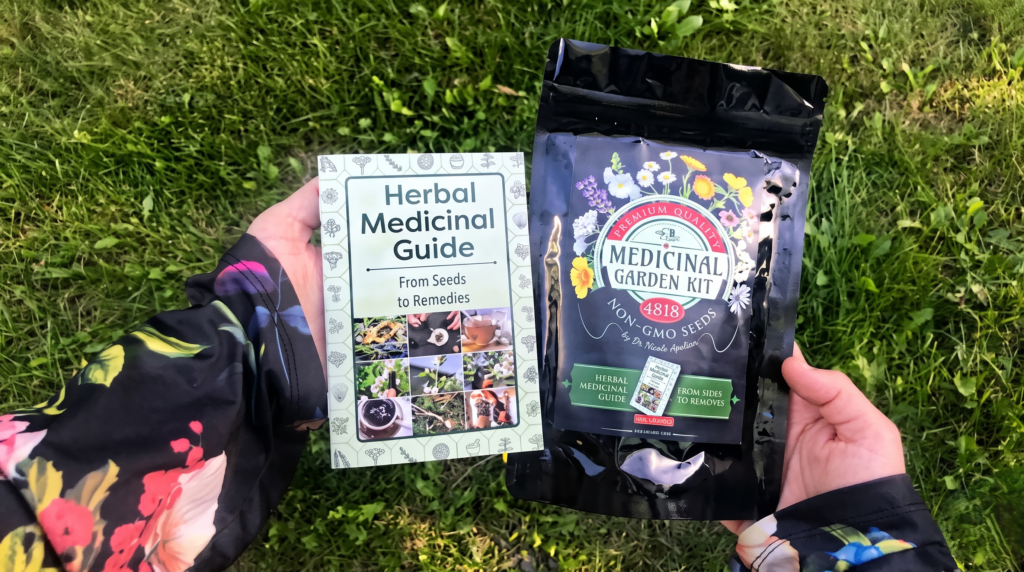

Growing your own herbs is one of the most rewarding garden projects you can start. Many gardeners now look for medicinal herbs to grow because they are pretty, good for pollinators, and useful for teas, balms, and home projects.
But there is a lot of hype online, too. Some websites call herbs “natural antibiotics” or “better than medicine.” That’s not accurate.
In this guide, you’ll learn 10 popular herbs, what they are traditionally used for, what research actually says, and how to grow them. We also cover safety, which most guides skip.
Why Grow Your Own Medicinal Herbs?
There are good reasons to start a medicinal garden.
- You control the quality. You know how the plants were grown and handled.
- Most are easy. Many of these herbs are hardy, and several come back every year.
- They help wildlife. Bees, butterflies, and other pollinators love the flowers.
- They make useful teas and skincare. Dried flowers and leaves are the base for infusions, oils, and salves.
- It’s a self-reliance skill. Many people enjoy learning traditional plant knowledge.
One important point: herbs are not a replacement for medical care. Think of them as a gentle, traditional addition to a healthy lifestyle.
10 Medicinal Herbs to Grow in Your Backyard
1. Chamomile
Chamomile is the classic “bedtime tea” flower. It’s traditionally used for calming the stomach and winding down at night. Some studies suggest mild benefits for relaxation and sleep quality, though results are modest.
Growing tip: Sow seeds directly in full sun in cool weather. German chamomile is an annual that often self-seeds.
Herbs are one way to unwind in the evening. If you also like short relaxation audio, see our Genius Wave review for a closer look at one popular option.
2. Lavender
Lavender is known for its scent and calming reputation. Research on a standardized lavender oil capsule has shown benefits for anxiety in some trials. That is a specific product, not homegrown tea or raw essential oil.
Growing tip: Lavender needs full sun and well-drained soil. Seeds are slow, so be patient. Soggy soil kills it.
3. Echinacea
Echinacea (purple coneflower) is a famous “immune herb.” Research on whether it prevents or shortens colds is mixed. Some studies show a small benefit, others show none.
Growing tip: Seeds germinate better after a cold period. Plants take a couple of years to establish, and the roots mature slowly.
4. Calendula
Calendula (pot marigold) is one of the easiest herbs for beginners. Dried petals are traditionally infused into oil for skin salves. Creams containing calendula have been studied for skin and wound care, with some positive findings.
Growing tip: Sow in spring. Pick flowers often, because that encourages more blooms.
5. Yarrow
Yarrow has a long history as a traditional wound herb. It’s also a tough plant that handles dry soil and attracts beneficial insects. Modern evidence for its medicinal use is limited, so treat it as traditional knowledge.
Growing tip: Full sun, poor soil, little water. It can spread, so give it room.
6. Chicory
Chicory is famous for its roasted root, used as a coffee alternative. The root contains inulin, a prebiotic fiber that feeds gut bacteria. That’s a more evidence-based use than the “natural painkiller” claims you may see online.
Growing tip: Plant in full sun. Its deep taproot helps loosen compacted soil.
7. Marshmallow
Marshmallow root contains mucilage, a slippery, gel-like substance. Traditionally, a cold root infusion is used to soothe the throat and digestive lining. This is a real and long-standing use, though large clinical trials are limited.
Growing tip: It loves moist soil and grows tall, so place it at the back of the bed.
8. California Poppy
This bright orange flower is a mild traditional sedative herb. It is not the same as the opium poppy. Evidence in humans is limited, so don’t expect it to act like a sleeping pill.
Growing tip: Sow directly in sunny, poor soil. It needs little water and self-seeds easily.
9. Evening Primrose
Evening primrose is grown for its flowers, which open at dusk, and for its seed oil. The oil contains gamma-linolenic acid (GLA). Studies on it for skin conditions and women’s health are mixed.
Growing tip: It’s a biennial that blooms in its second year. Let a few plants self-seed.
10. Feverfew
Feverfew is traditionally used for headaches. Some studies suggest it may help reduce migraine frequency, but results aren’t consistent. Chewing raw leaves can irritate the mouth for some people.
Growing tip: Scatter seeds on the soil surface, because they need light to germinate. It self-seeds readily.
Safety First: Before You Use Any Medicinal Herbs
Herbs are natural, but natural does not mean risk-free. Keep these points in mind.
- Daisy-family allergies. Chamomile, echinacea, calendula, yarrow, feverfew, and chicory all belong to the daisy family (Asteraceae). If you react to ragweed or similar plants, test carefully or avoid them.
- Pregnancy and breastfeeding. Many herbs aren’t recommended during pregnancy. Feverfew and yarrow are two commonly flagged examples. Ask your doctor.
- Medication interactions. Marshmallow root can slow absorption of other medicines taken at the same time. California poppy may add to the effect of sedatives. Evening primrose may interact with blood thinners.
- Autoimmune conditions. Echinacea is often advised against or used with caution for these. Get medical advice first.
- Essential oils are not tea. Don’t swallow lavender or other essential oils.
- Serious symptoms need a doctor. Chest pain, severe infections, deep wounds, ongoing migraines, or sleep problems should be checked by a professional.
A good rule: start small, introduce one herb at a time, and tell your doctor about any herbs you use.
How to Start Medicinal Herbs From Seed
You don’t need a huge yard. A few sunny beds, raised planters, or even large pots can work.
1. Pick a sunny spot. Most of these herbs want 6 or more hours of sun.
2. Prepare the soil. Loosen it and add compost. For lavender and yarrow, make sure it drains well.
3. Know your plants’ timing. Some seeds go straight into the ground. Others, like echinacea, benefit from cold treatment first. Read each packet.
4. Water gently. Keep seedlings moist, not soggy.
5. Be patient. Perennials can take a full season or two to establish. Harvest lightly in the first year.
6. Dry and store properly. Dry herbs in a shaded, airy spot, then store them in labeled glass jars away from light.
A Ready-Made Option: The Medicinal Garden Kit
Buying ten different seed packets separately can be time-consuming. That’s why some people choose a bundled kit.
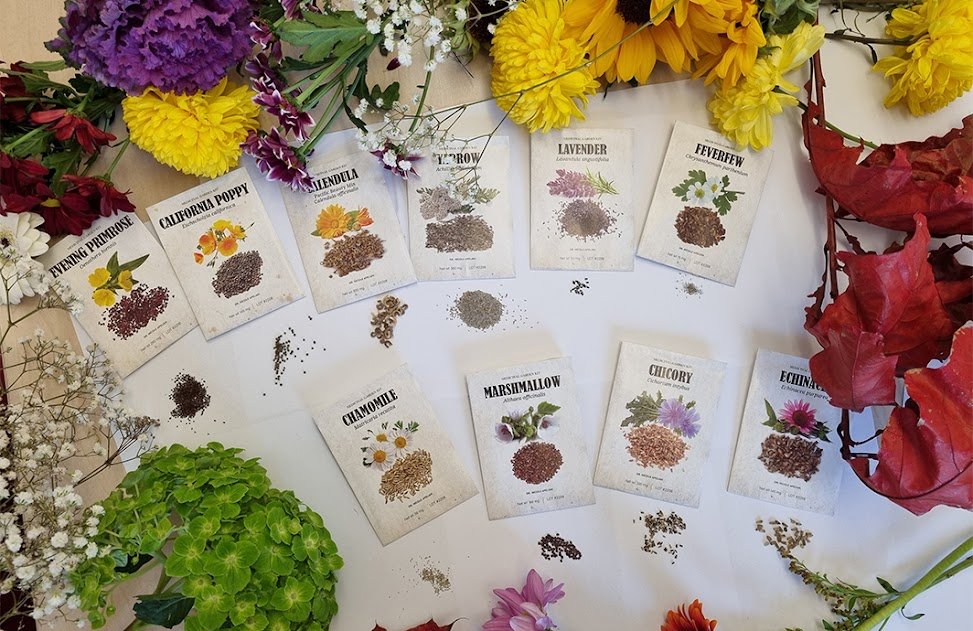
The Medicinal Garden Kit by Nicole Apelian bundles seeds for ten herbs. According to the official page, the kit contains 10 smaller packages with 4,818 non-GMO seeds packaged in the US, and the herbs include chicory, yarrow, California poppy, marshmallow, chamomile, evening primrose, lavender, echinacea, calendula, and feverfew. medicinalseedkit
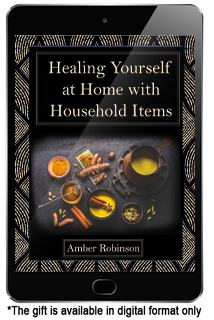
The page says buyers also get a free Herbal Medicinal Guide: From Seeds to Remedies, plus two bonus guides, and a 365-day money-back guarantee. medicinalseedkit
What to keep in mind:
- You’re buying seeds, so it takes time before you can harvest anything.
- The official page makes strong health claims. Treat them as the seller’s marketing, not medical advice.
- Check the current price, shipping, and refund terms at checkout, because they can change.
If you want an all-in-one starter set with a growing guide, it’s a convenient option.
👉 See the Medicinal Garden Kit on the Official Page
Frequently Asked Questions
Calendula, chamomile, and California poppy are among the easiest because they grow well from seed in sunny spots and often self-seed.
Some can, such as chamomile or calendula in a bright window. Others, like echinacea and marshmallow, do better outdoors.
Fast annuals like calendula may flower in a couple of months. Perennials like echinacea can take two or more years for strong roots.
They can be used safely in many cases, but safety depends on the herb, the dose, and your health. Check with a doctor or qualified herbalist, especially if you take medication.
Many are perennials or self-seeding annuals, so they can return each year with little effort. Some, like calendula, rely on dropping seeds.
No. Don’t stop or replace prescribed treatment with herbs without medical advice.
Final Thoughts
A medicinal herb garden is a wonderful project. It’s good for your yard, good for pollinators, and a great way to learn traditional plant skills. Start with a few easy herbs, learn safe use, and enjoy the process.
If you want a convenient start, a bundled seed kit can save you time. Just keep your expectations realistic and keep your doctor in the loop.