
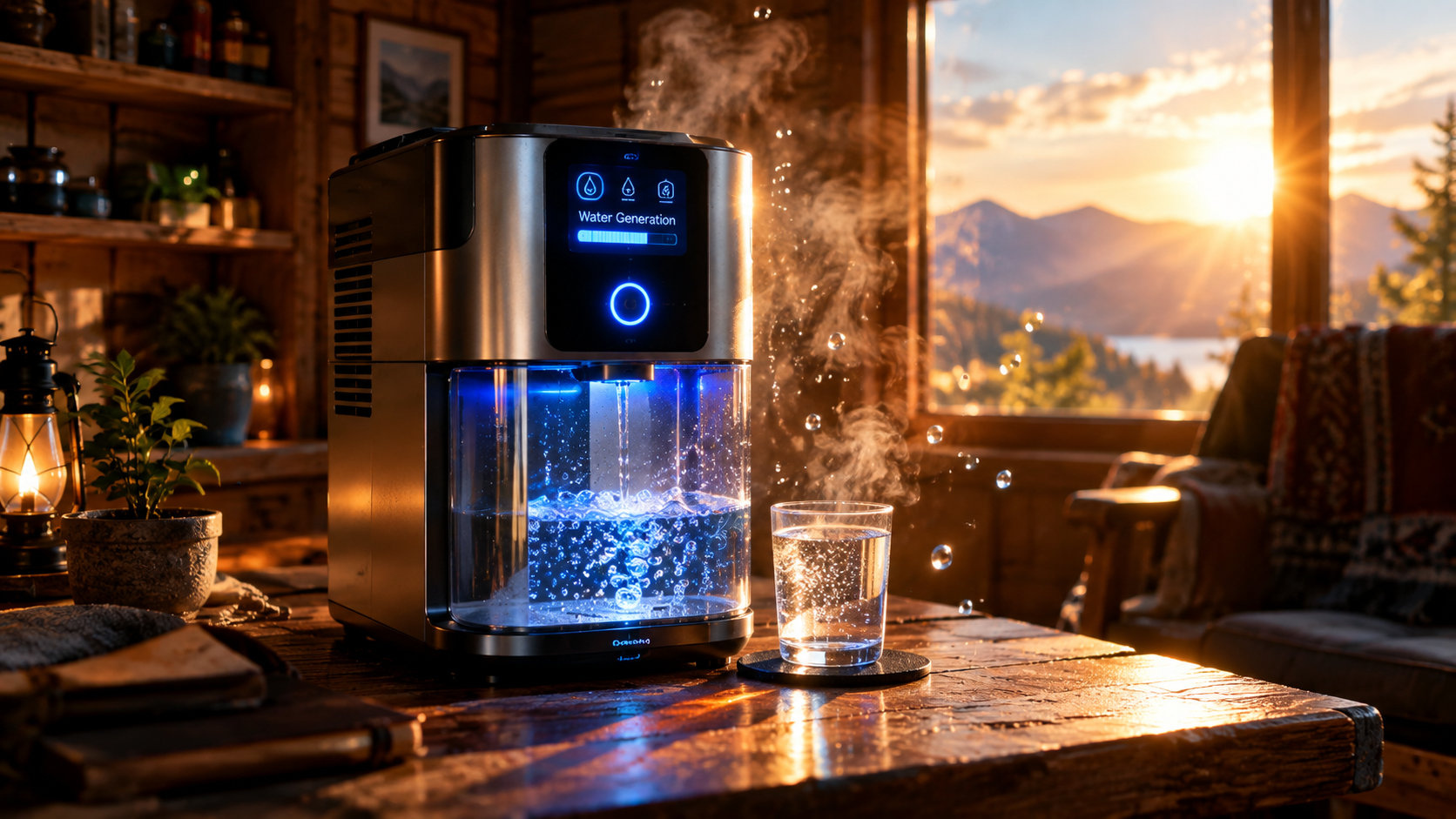
Smart Water Box:
Every month, millions of families across the United States, United Kingdom, Canada, and Australia open their water bill and feel the same quiet dread. Prices keep climbing. Droughts keep making headlines. And somehow, the “solution” utility companies keep offering is always the same: pay more, use less, and wait for infrastructure that never seems to get fixed.
But what if the entire premise — that you need a utility company to have clean water — was never actually true?
There’s a quiet shift happening. A growing number of households are stepping outside the traditional water grid entirely, using a compact device that produces clean, drinkable water out of thin air — literally condensing humidity from the atmosphere into fresh water, on demand, with no pipes, no meter, and no monthly bill attached to it.
It’s called the Smart Water Box, and once you understand how it works, it’s hard not to wonder why this isn’t already sitting on every emergency-prep shelf in the country.
- Every month you wait is another water bill — click now to see the solution →
- Not everyone knows this trick yet — secure your copy before the offer disappears →
The Water Crisis Behind the Smart Water Box Trend
Water scarcity isn’t a “someday” problem anymore. Reservoirs across the American Southwest have hit historic lows. The UK has issued hosepipe bans in consecutive summers. Parts of Australia cycle through drought and flood with almost no stable in-between. Canada’s aging municipal infrastructure is under increasing strain in growing suburban areas.
Meanwhile, water bills have quietly become one of the fastest-rising household costs in all four countries — often outpacing inflation. Utility companies rarely advertise why rates keep increasing: aging pipe networks, treatment plant upgrades, and, frankly, guaranteed profit margins written into regulatory agreements.
The uncomfortable truth is simple: the current water system isn’t built to save you money. It’s built to keep you dependent on it.
That’s exactly the kind of problem home-based technology has started to quietly solve — and it’s why devices like the Smart Water Box have started spreading through prepper communities, off-grid forums, and homesteading groups long before mainstream media caught on.
How the Smart Water Box Actually Works
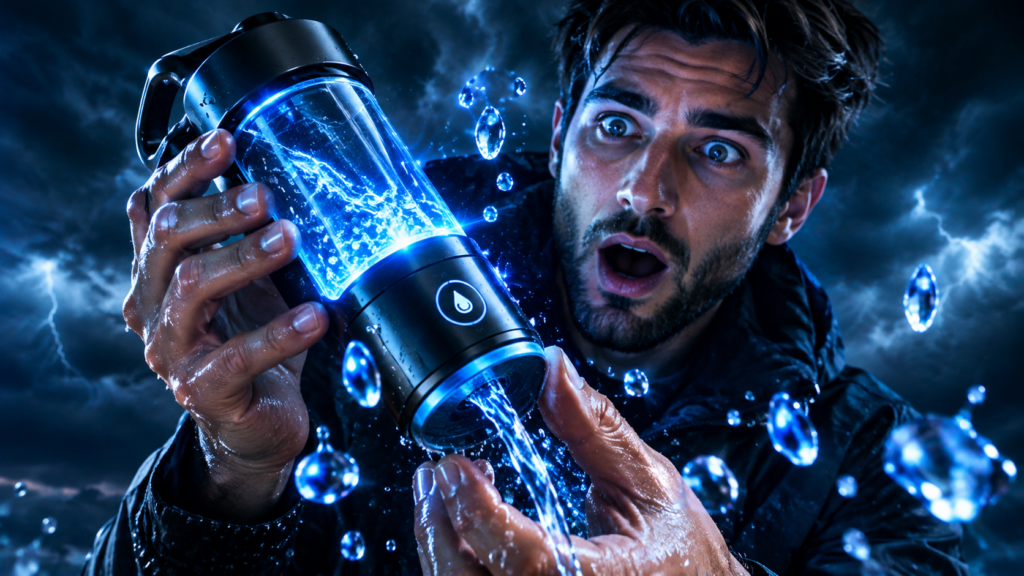
The technology behind the Smart Water Box isn’t science fiction — it’s based on atmospheric water generation (AWG), a field that’s been used for years in military operations, disaster relief, and remote off-grid communities where reliable water access simply isn’t guaranteed.
Here’s the basic idea in plain terms:
The air around us — even in relatively dry climates — holds humidity. The Smart Water Box is designed to pull that humidity in, cool it below its dew point, and condense it into liquid water, which then passes through a filtration process before it’s ready to drink.
No plumbing hookup. No tap. No dependence on a municipal supply that can fail during storms, infrastructure breakdowns, or supply disruptions.
It’s the kind of self-sufficiency that used to require expensive industrial equipment — now built into a compact, portable unit designed for regular households, campers, and anyone who wants a backup water source that doesn’t rely on the grid.
Why the Smart Water Box Matters More Than Ever in 2026
Look at what’s already happened this year alone: extended drought warnings across multiple U.S. states, water-use restrictions in parts of the UK and Australia, and a growing public conversation about how much water is consumed just to keep data centers and AI infrastructure running. Freshwater isn’t an unlimited resource, and the systems we’ve built to distribute it are showing their age.
Add in the rising frequency of extreme weather events — storms, heatwaves, and grid outages that can knock out water treatment plants for days — and the case for having an independent water source at home isn’t paranoid. It’s practical.
This is exactly why self-sufficiency and preparedness content has exploded in search interest across the US, UK, Canada, and Australia over the past year. People aren’t just prepping for hypothetical disasters anymore — they’re responding to a visible, ongoing trend of rising costs and unreliable infrastructure.
Why the Smart Water Box Isn’t Mainstream Yet
Here’s the part that raises eyebrows: if this technology exists and works, why isn’t it front-page news?
Part of the answer is simple economics. Water utilities are massive, regulated monopolies. There’s little incentive for that industry — or the institutions that benefit from steady utility revenue — to promote a product that lets ordinary families quietly opt out of paying for water altogether. It’s not necessarily a shadowy conspiracy; it’s the ordinary, unglamorous reality of industries protecting a captive customer base.
The other part is simply that most people have never been told this kind of independence is possible at a consumer level. Atmospheric water generation used to live in the world of military contracts and industrial equipment — not something priced or sized for the average family. That’s changed, but word travels slowly when there’s no billion-dollar marketing budget pushing it.
Curious what independent reviewers are saying? Check out this in-depth Smart Water Box review that breaks down whether it’s legit or overhyped
What Makes the Smart Water Box Different
Unlike bulky, expensive industrial AWG units, the Smart Water Box was designed specifically to be:
- Affordable — a fraction of the cost of traditional water-generation systems
- Portable — compact enough for home use, camping trips, RVs, or emergency kits
- Simple to build and use — no technical expertise or professional installation required
- Functional in multiple climates — designed to work even in drier conditions, not just humid ones
- A long-term money-saver — reducing reliance on bottled water and shrinking utility costs over time
It also comes with a full step-by-step guide, so there’s no guesswork involved in setting it up or understanding how to maintain it.
Real Peace of Mind, Not Just a Gadget
People who’ve adopted this kind of system consistently describe the same shift: less anxiety about “what if the water gets shut off,” more confidence heading into storm season, and a genuine sense of control over something most of us have simply outsourced our entire lives.
Whether it’s a power outage, a supply disruption, or just the slow creep of rising utility bills, having a working, independent water source isn’t overkill anymore — it’s the same logic behind keeping a flashlight, a first-aid kit, or an emergency fund. You hope you never need it. But you’re glad it’s there when you do.
The Risk-Free Way to Try It
If you’re on the fence, here’s the good news: the Smart Water Box comes backed by a 60-day, 100% money-back guarantee. If it doesn’t deliver on what’s promised, you can request a full refund — no complicated process, no risk.
Given the direction water costs and climate volatility are heading in the US, UK, Canada, and Australia, this isn’t a “maybe someday” purchase. It’s the kind of small, one-time decision that could quietly save you hundreds of dollars a year — and give you a level of water security most households simply don’t have.
Click here to see how the Smart Water Box works and claim your copy today →
Conclusion
Water isn’t getting cheaper, and the systems we rely on for it aren’t getting more dependable. Droughts, aging infrastructure, and rising utility costs across the US, UK, Canada, and Australia aren’t temporary headlines — they’re the new normal. Waiting for someone else to fix that isn’t really a strategy.
The Smart Water Box offers something rare: an actual, affordable way to step outside that dependency, even just partially. It’s not about paranoia — it’s about having a backup plan for one of the few things none of us can live without.
With a 60-day money-back guarantee, there’s very little risk in finding out for yourself whether this quiet shift toward water independence is right for your household.
Get your Smart Water Box today and start taking back control of your water supply →
Frequently Asked Questions
Yes. Atmospheric water generation is a recognized technology used worldwide for home, camping, and emergency use. That said, local regulations can vary, so it’s always smart to double-check any rules specific to your city or state before setup.
Output depends on humidity levels, temperature, and the surrounding climate. It’s designed to perform in a wide range of conditions, including drier climates, but results will naturally vary from one location to another
No. The system comes with a simple, step-by-step guide made for regular households — no plumbing experience, electrical work, or professional installation required.
Both. Many users run it as a daily water source to cut down on utility bills and bottled water, while others keep it ready specifically for power outages, storms, or supply disruptions.
It’s covered by a 60-day, 100% money-back guarantee. If you’re not satisfied for any reason, you can request a full refund with no complicated process.
It’s designed to reduce your dependence on the municipal water supply and bottled water costs — for many households that means real monthly savings, though results depend on usage and household size.