
“Brain rot” was Oxford’s 2024 Word of the Year for a reason — millions of people say they feel foggier, more distracted, and mentally exhausted than ever. Now a 12-minute audio track is going viral for targeting the exact brainwave pattern researchers link to focus and memory. Here’s the full breakdown — what it is, what the science actually says, and whether it lives up to the hype.
- 👉 Still on the fence? Grab it now while the current price is live →
- 👉 Check Current Price & Availability Here
Brain Rot: Why It’s No Longer Just a Meme
A few years ago, “brain rot” was internet slang for the mental fog that comes from too much mindless scrolling. Now it’s a term neuroscientists, psychologists, and journalists are using seriously — to describe a real, widely reported drop in attention span, memory recall, and mental clarity tied to modern digital habits, poor sleep, and chronic stress.
Search interest in “brain fog,” “focus hacks,” and “brain rot” has climbed sharply over the past year across the US, UK, Canada, and Australia. People aren’t just curious — they’re actively looking for something that works.
That’s the exact gap a product called The Brain Song has stepped into, and it’s the reason it’s generating so much buzz right now.
What Is The Brain Song? Brain Rot Solution Explained
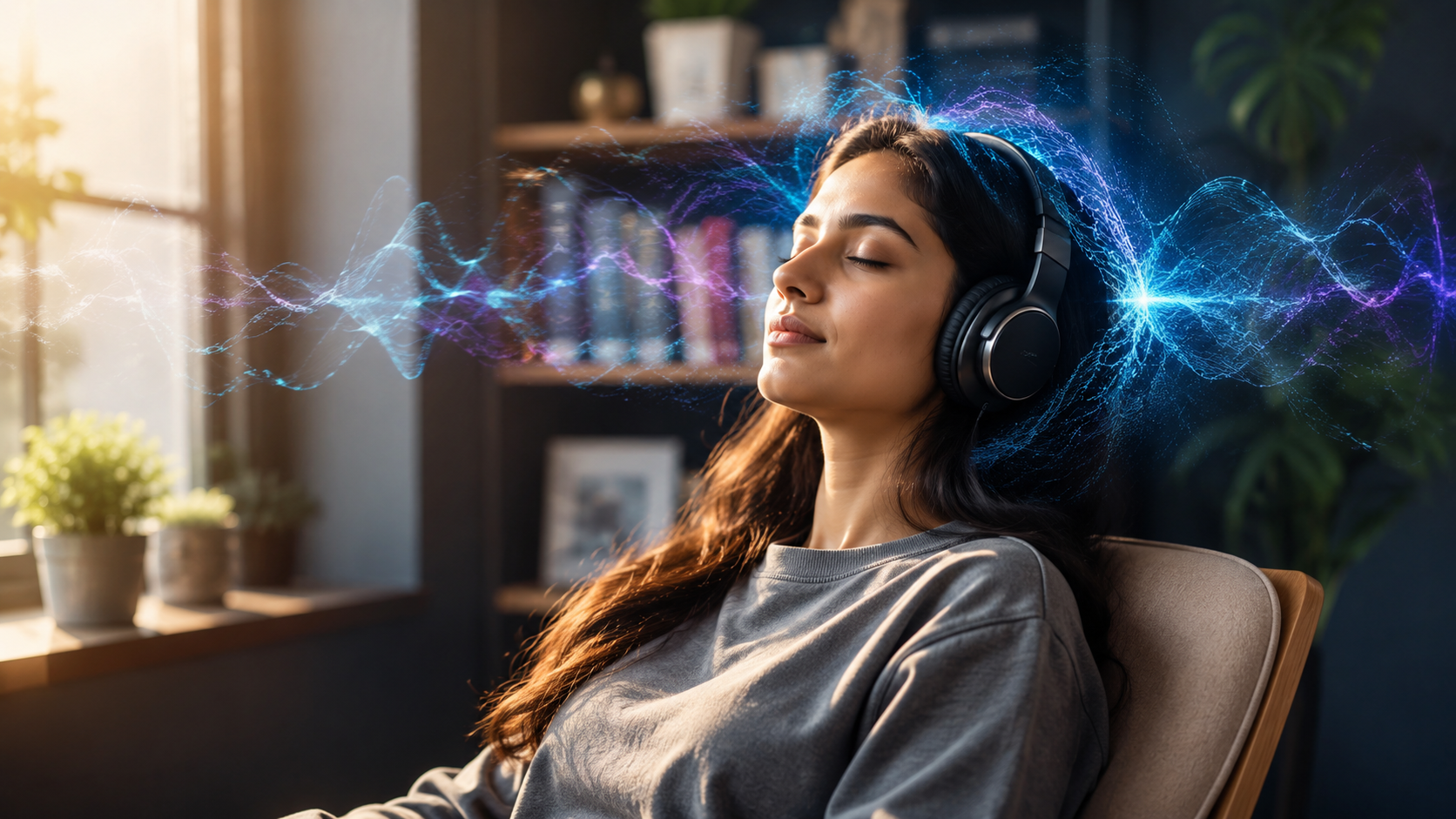
The Brain Song is a digital audio track — not a pill, not a device, not a subscription app. It’s a 12-minute sound file you listen to once a day through headphones or speakers.
The idea behind it: specific sound patterns may help gently guide brain activity toward the Gamma frequency range, a category of brainwave activity that neuroscience research has repeatedly associated with focus, alertness, and memory processing. The creators also link the experience to BDNF (Brain-Derived Neurotrophic Factor) — a real, well-documented protein involved in neuroplasticity, the brain’s ability to build and strengthen connections.
No swallowing anything. No screens to stare at. No complicated app. Just 12 minutes, once a day.
Are Neuroscientists Really Stunned by This Brain Rot Trick?
Here’s the honest answer, because a review that oversells will only hurt you (and get you flagged by Google eventually): there is no peer-reviewed clinical trial of this specific product, and no named neuroscientist has publicly issued a statement about it. That needs to be said plainly.
What is true, and what’s fueling the reaction online, is this:
- The underlying science of gamma brainwaves and their link to attention and memory consolidation is real and has been studied for years in labs, including research into non-invasive sound and light-based stimulation.
- BDNF’s role in learning and neuroplasticity is well established in neuroscience literature.
- What remains an open question — for this product and for the broader category of consumer brainwave-entrainment audio — is how consistently and strongly these effects translate from lab settings to a person listening at home.
In other words: the “stunned” reaction isn’t a lab discovery, it’s the public reaction to seeing legitimate neuroscience concepts (gamma waves, BDNF, neuroplasticity) packaged into something this simple and accessible. That’s a genuinely interesting story — it just isn’t a clinical trial, and no honest article should pretend it is.
How The Brain Song Works to Fight Brain Rot
- Download it instantly after purchase — no shipping wait.
- Put on headphones (recommended, though speakers work).
- Press play for 12 minutes, typically once a day.
- Stay consistent. Like most brain-health habits, this is a “little and often” approach, not a one-time fix.
There’s no setup, no account, and no tech skills required — a big reason it’s caught on with a wide age range, from students to retirees.
Why the Timing Matters
Wellness trend-watchers have flagged 2025–2026 as a shift toward prevention over cure — people wanting small, low-effort daily habits (not major lifestyle overhauls) to protect focus and memory before problems worsen. That’s exactly the wave “flow state” searches (60,000+ monthly) and “brain rot” awareness are riding right now, and it’s why low-barrier products like this are spreading so fast.
Pros and Cons
What stands out:
- No pills, powders, or ingredients to research
- Just 12 minutes a day
- Instant digital delivery — works in the US, UK, Canada, Australia, and beyond
- 90-day money-back guarantee, so the financial risk is low
- Rooted in real (if still-evolving) neuroscience concepts, not invented pseudoscience
What to know before buying:
- No product-specific clinical trial exists — claims are based on general neuroscience research on gamma waves and BDNF, not a study of this exact track
- Results are subjective and will vary person to person
- Best experienced with headphones, which some may find inconvenient
- Not a substitute for sleep, nutrition, exercise, or medical treatment for serious memory concerns
- Not evaluated by the FDA; not intended to diagnose, treat, cure, or prevent any disease
Is It Worth Trying?
If you want a clinically-proven cure with a stack of named-researcher endorsements, this isn’t that — and no reviewer should tell you otherwise. But if you want a low-cost, zero-risk (thanks to the money-back guarantee), 12-minutes-a-day experiment to add to a broader brain-health routine — alongside sleep, movement, and cutting down mindless screen time — it’s a reasonable thing to try for yourself.
Frequently Asked Questions
The concepts it’s built on — gamma brainwaves, BDNF, neuroplasticity — are established areas of neuroscience research. The product itself hasn’t been the subject of an independent clinical trial, so treat it as a wellness habit, not a medical treatment.
There’s no guaranteed timeline. Most habit-based wellness routines are worth evaluating over weeks, not days.
It’s a passive audio track with no ingredients. If you have hearing sensitivities or a medical condition, check with a healthcare provider first.
Yes — a 90-day money-back guarantee is listed on the official product page.
Final Verdict
“Neuroscientists Stunned” makes for a great headline because the underlying science genuinely is interesting — but the real story is simpler and, frankly, more useful: a low-cost, low-effort, zero-pill daily audio habit built on real neuroscience concepts, aimed squarely at the brain fog so many people are Googling about right now.
If a 12-minute daily experiment with a money-back guarantee sounds worth testing, the official product page has current pricing and availability.